
“What you are may not be limited to what you think you are.”
What if the self you take to be “you” is not the full picture?
Vedanta points toward a deeper understanding of reality—one where the distinction between self and world begins to dissolve. Through ideas like Advaita, Atman, and Brahman, it explores the nature of existence beyond appearances.
This is not just philosophy—it is a shift in how you see yourself and everything around you.
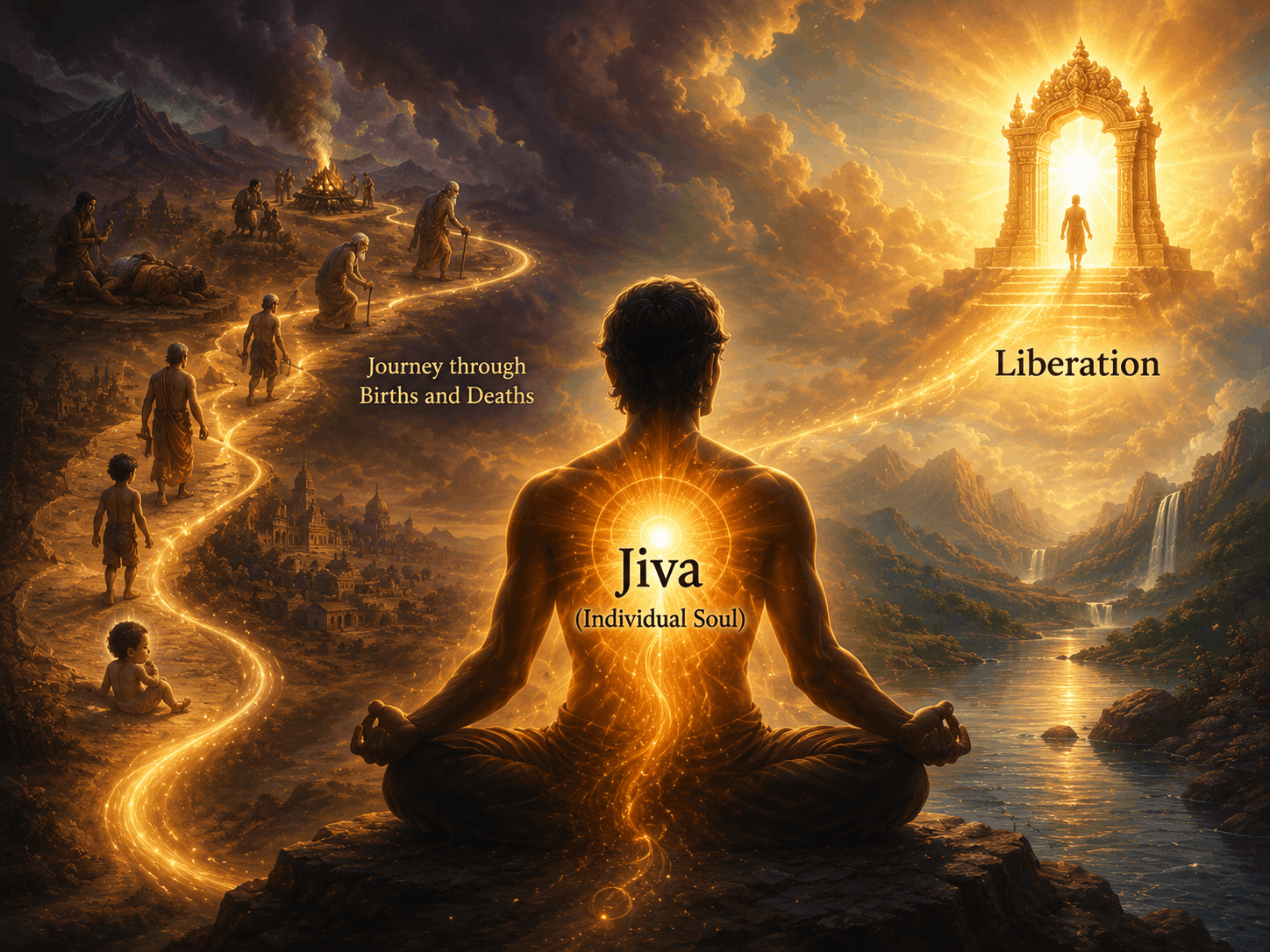
What Is Jiva In Hinduism? How the Infinite Came to Feel Limited
What is jiva in Hinduism? The individual soul — what it is, why it exists, and what happens when it finally knows its true identity. Explained through Radhakrishnan and the Upanishads.
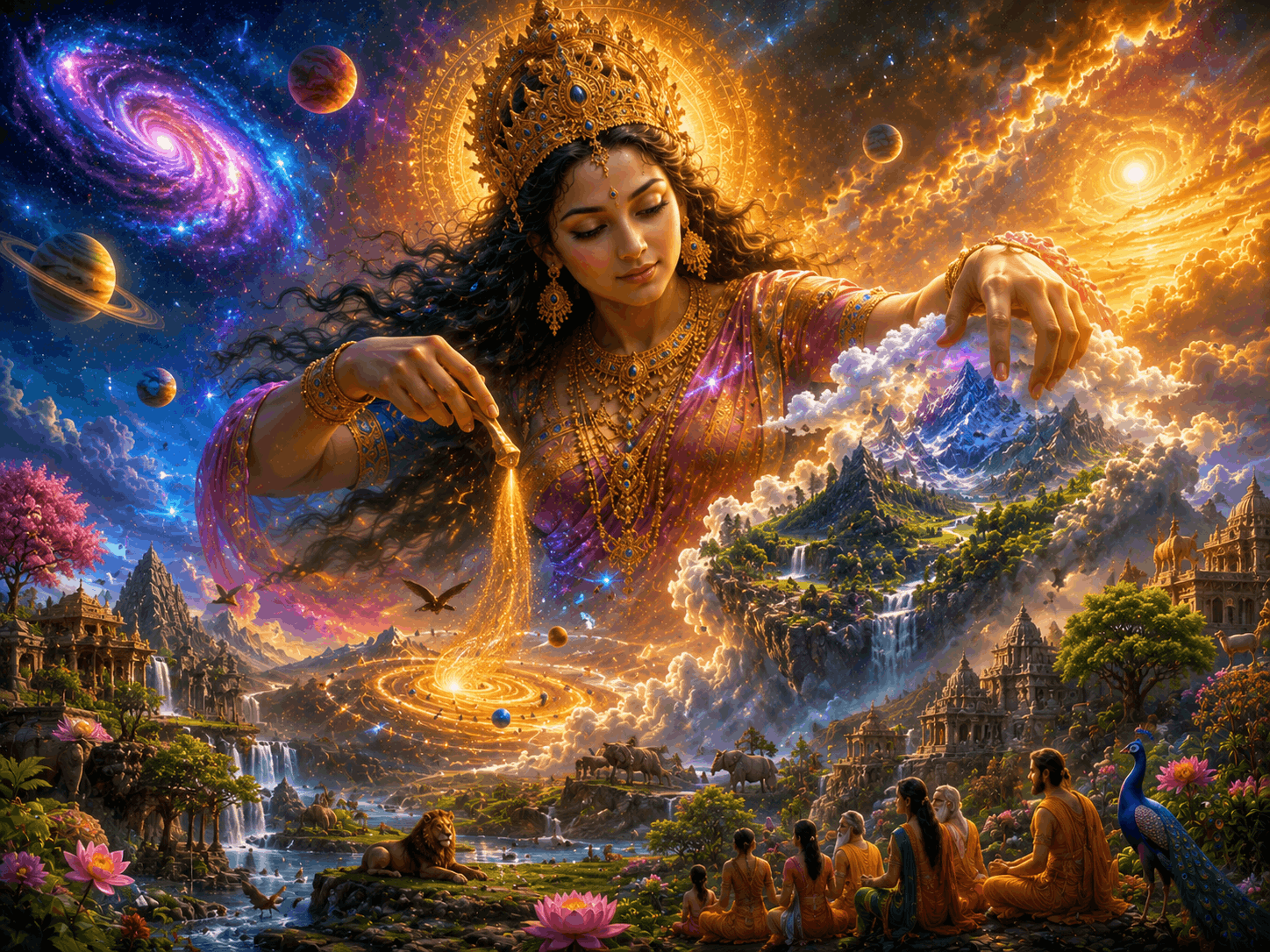
What Is Maya in Hinduism? The Veil Between Ordinary Seeing and Ultimate Reality
What is maya in Hinduism? Most people say illusion — but that’s only half the truth. The Upanishads reveal something far more profound, beautiful, and personally relevant.
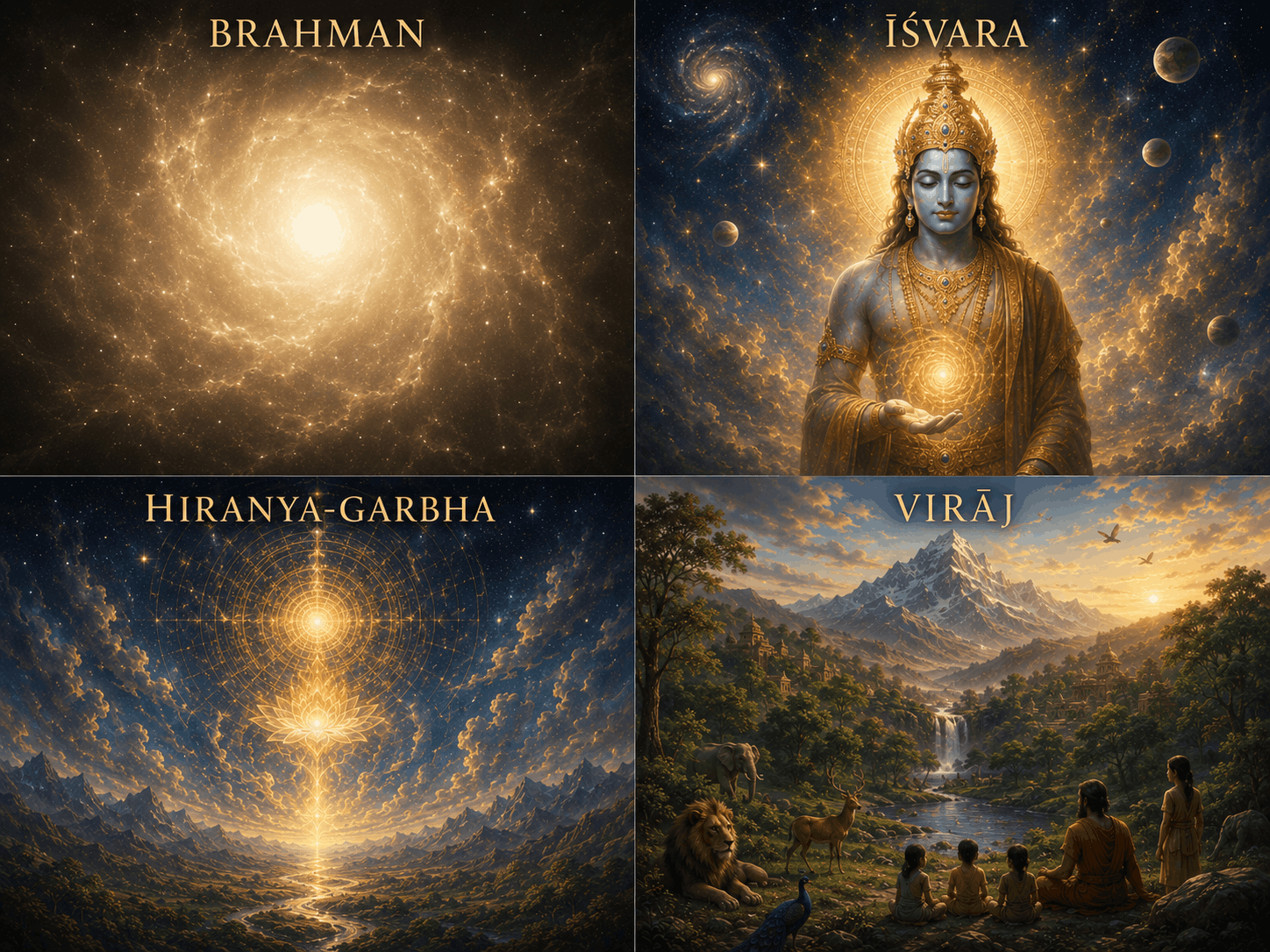
The Four States of Consciousness in Hinduism — and the Ultimate Truth Beyond Them
What are the four states of consciousness in Hinduism? Brahman, Ishvara, Hiranya-Garbha, and Viraj — four simultaneous faces of one reality. And behind all four, the silence no word can touch.
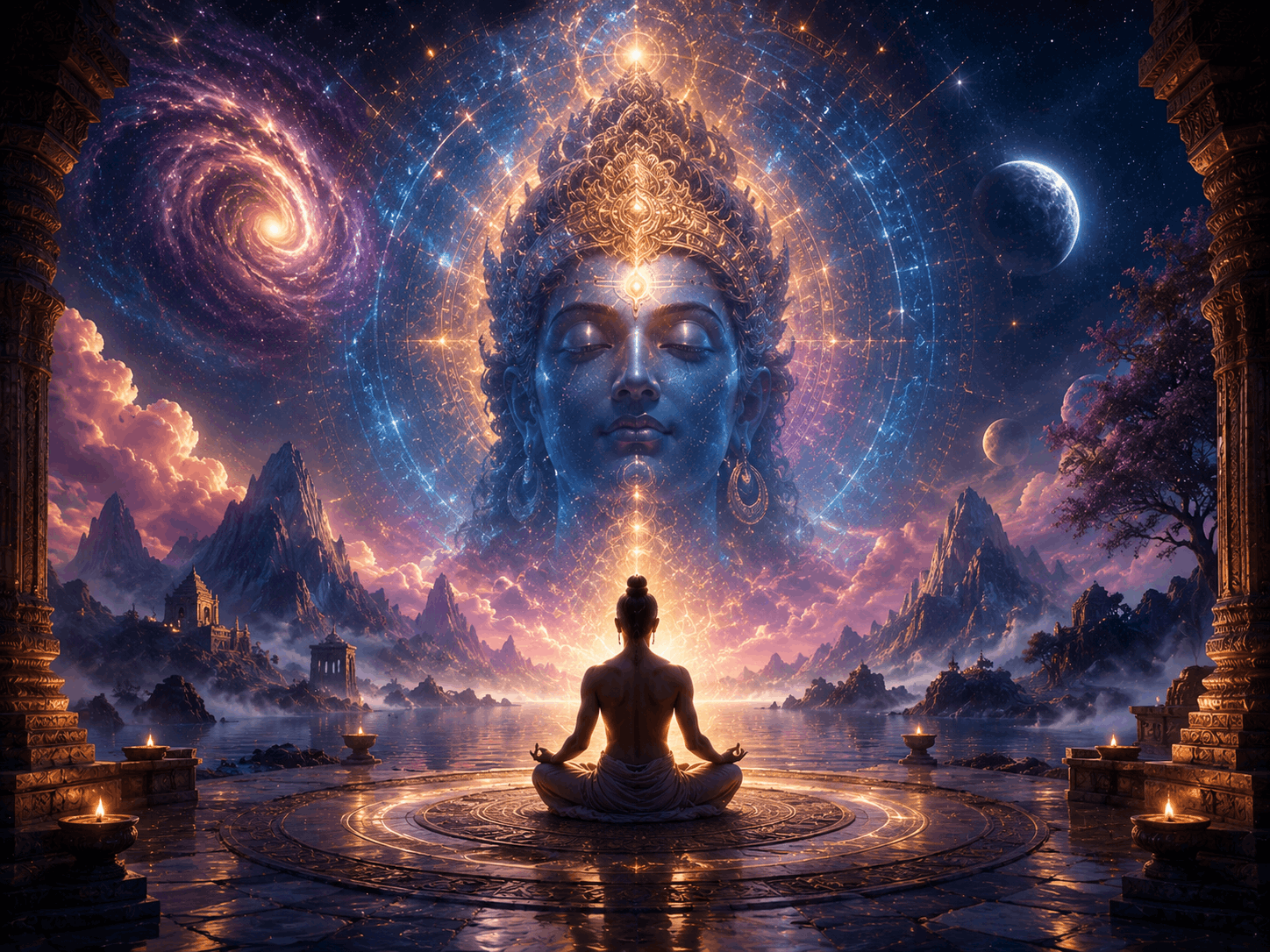
How does Brahman Experience Itself? The Hidden Secret of Consciousness
How does Brahman experience itself? Through matter, life, mind, and finally through you. The Upanishads describe the most extraordinary journey ever taken — and you are its current frontier.
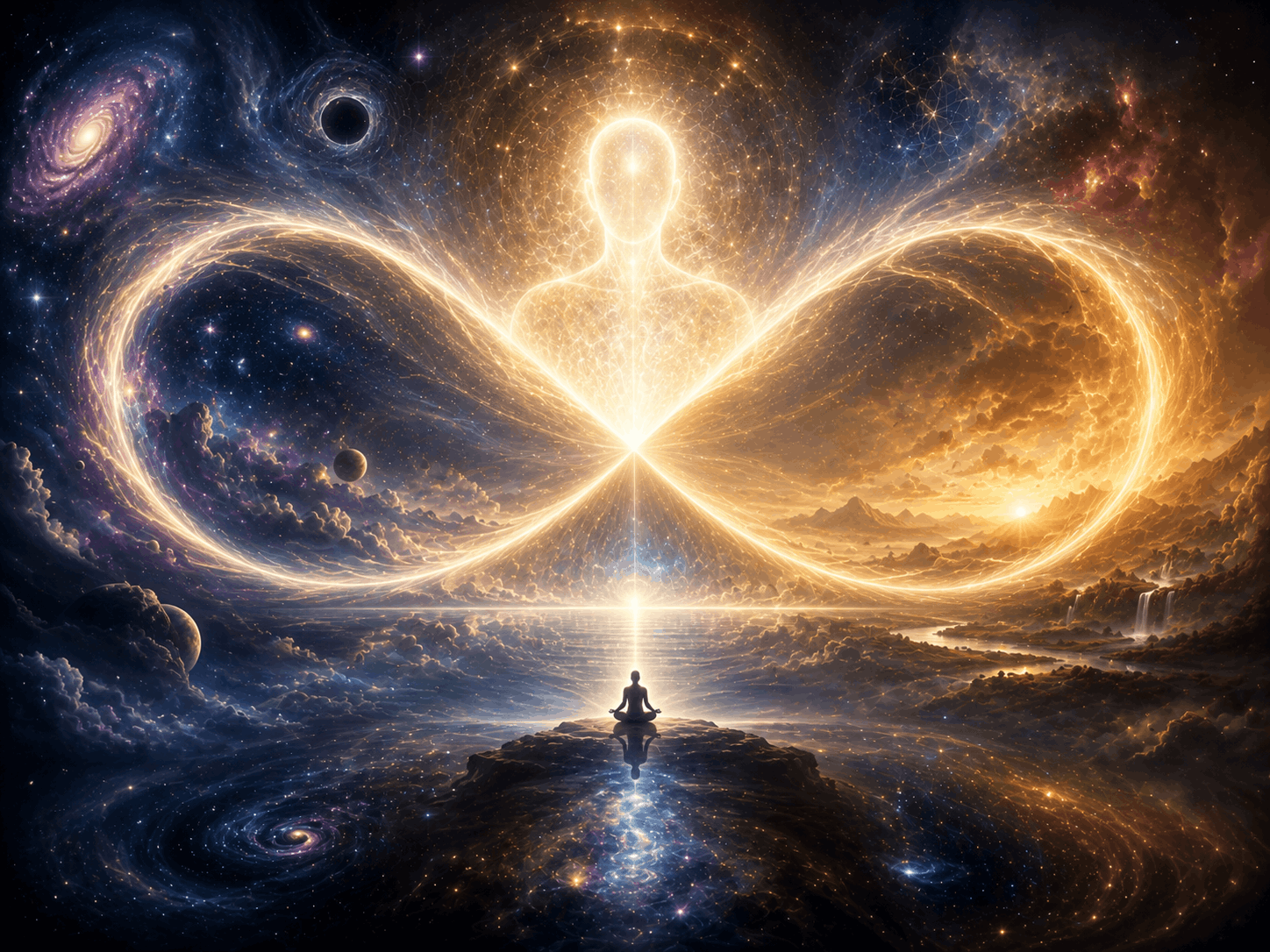
What is Brahman in Hinduism? The Ground of All Being
What is Brahman in Hinduism? Not a god you worship — but the ground of all existence itself. The Upanishads give the most profound answer ever offered to the question of why anything exists at all.
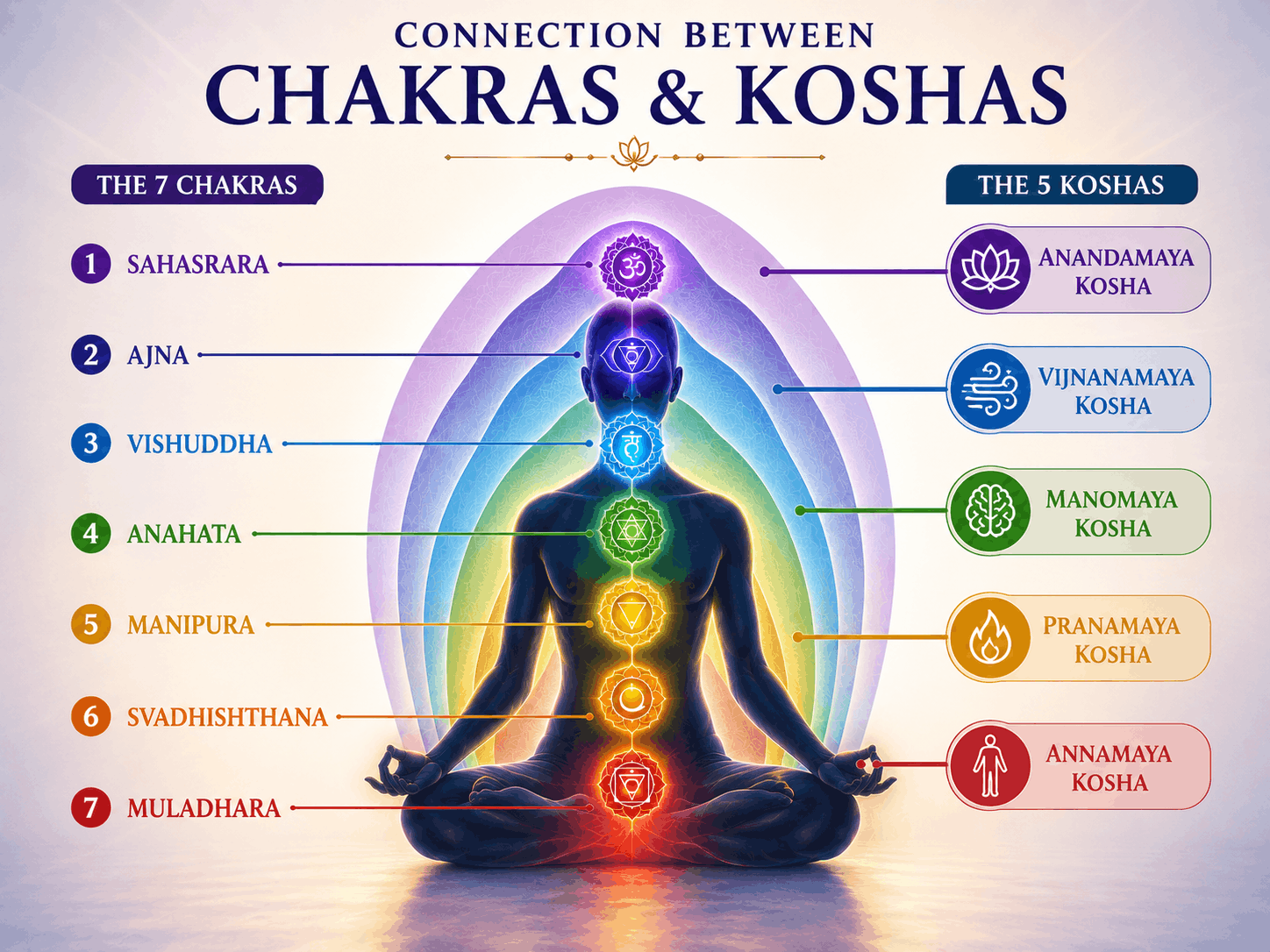
Chakras and koshas connection – The Doors Within the Territory
What is the connection between chakras and koshas? Each chakra is a door into a deeper layer of the self. Here is the complete map — from the physical body to pure consciousness.

Consciousness Vs Awareness What’s the Difference?
Have you ever stared at a wall while thinking deeply about something, and then suddenly “come back” to the room? In that moment, something shifted. That shift — that’s the difference between consciousness and awareness, and it’s more fascinating than you might think.
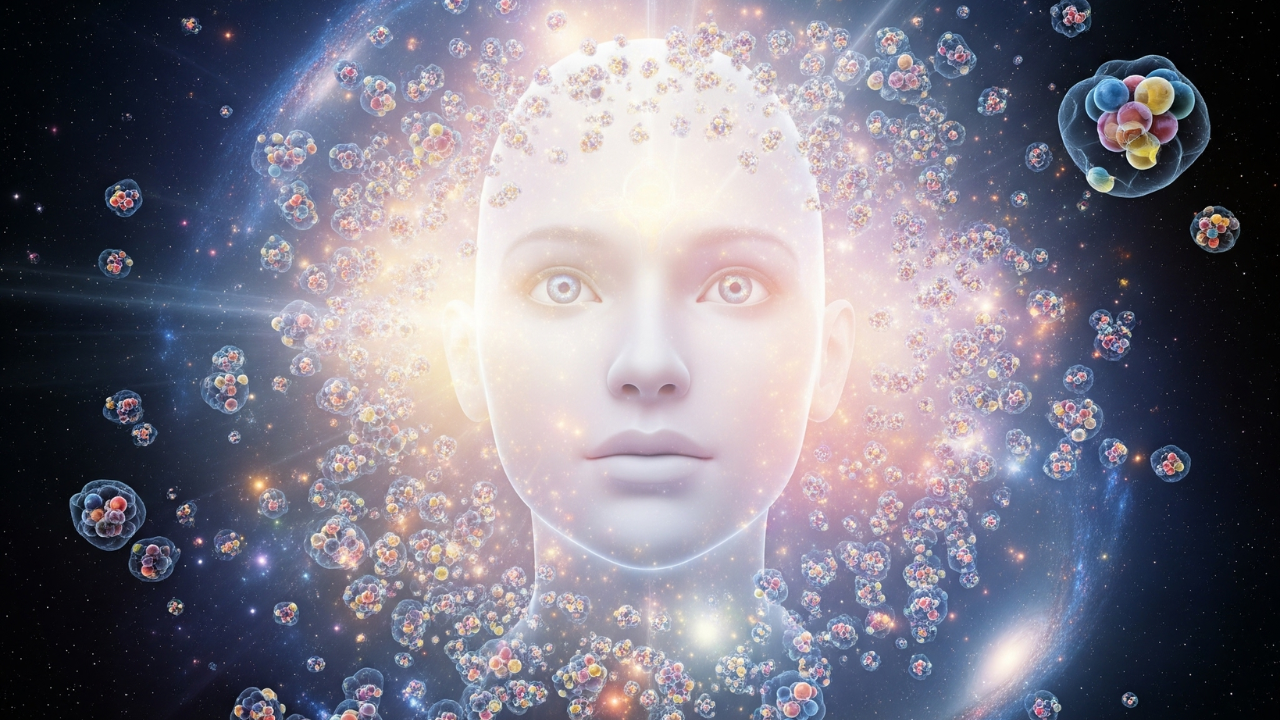
Beyond Mind and Matter: Exploring Consciousness in Indian Thought
We understand that the hand touches something and the brain processes the information. But how does the experience of “I feel this” actually happen? A very popular example in neuroscience is this: How do you experience the redness of red? Or the taste of mint?
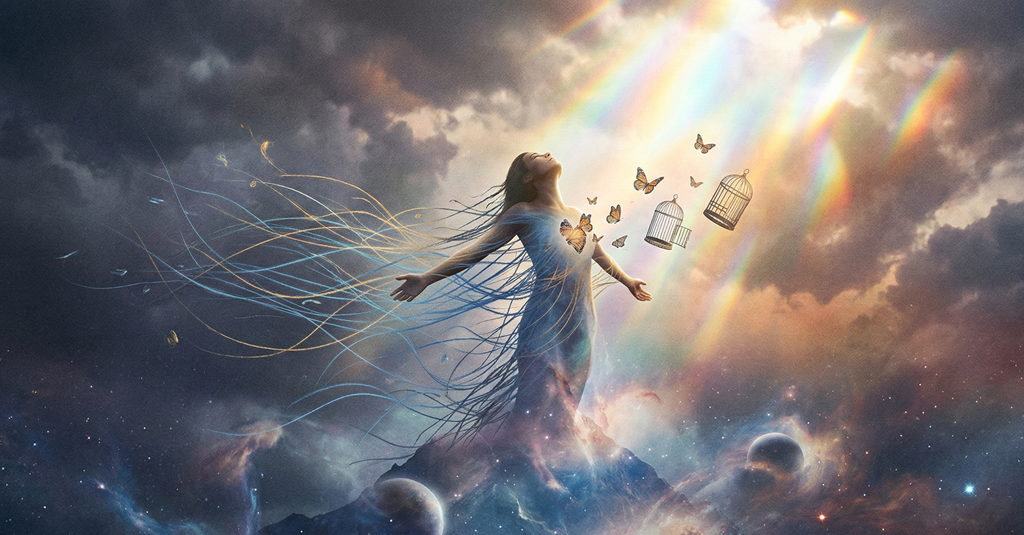
Liberation is the end or Fresh start?
Liberation is known as the freedom, Moksha and with many names in different philosophies. But the goal is one freedom from what we are now, freedom from pain, sufferings. This is the goal that we all are working for knowingly or unknowingly. What we do everyday the goal is happiness and what we do in our whole life, the goal is the same happiness.
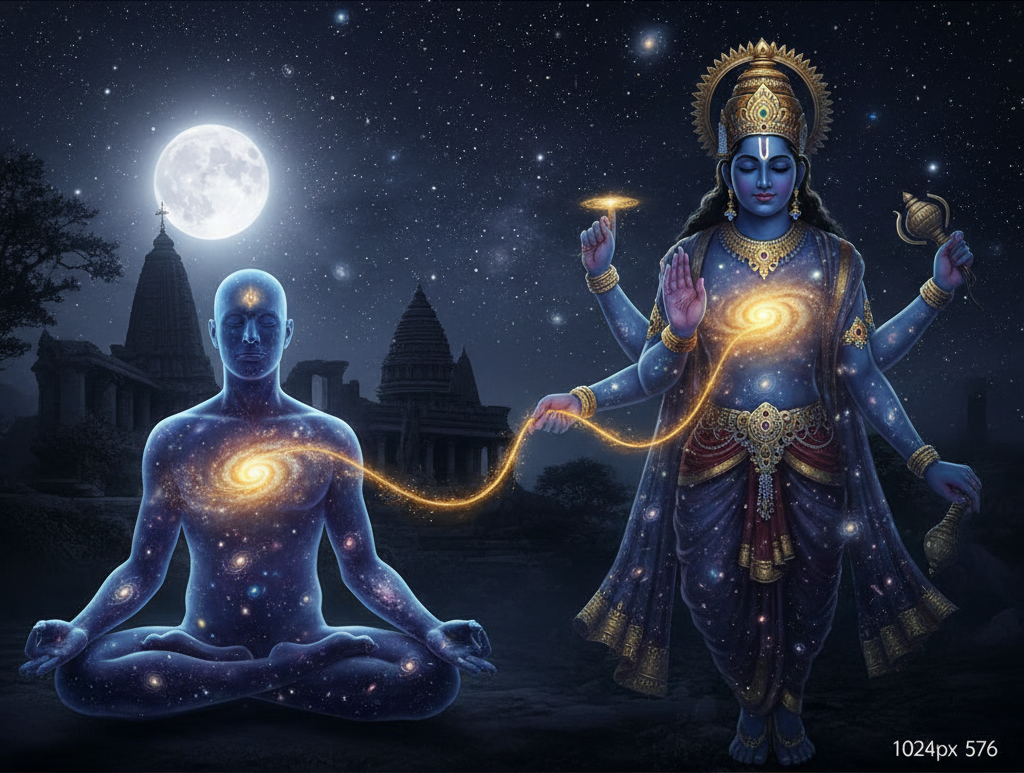
Understanding the Hidden Cosmic Code of Atman and Paramatman
The conscious being inside us exploring this world and feeling every moment, the Indian Philosophy named it Atman. This Atman is trapped inside the body/mind construct hence bound by the power of the body, but when this Atman break this limitation, it can have access to all knowledge and power, this is called Paramatma in Indian Philosophy.
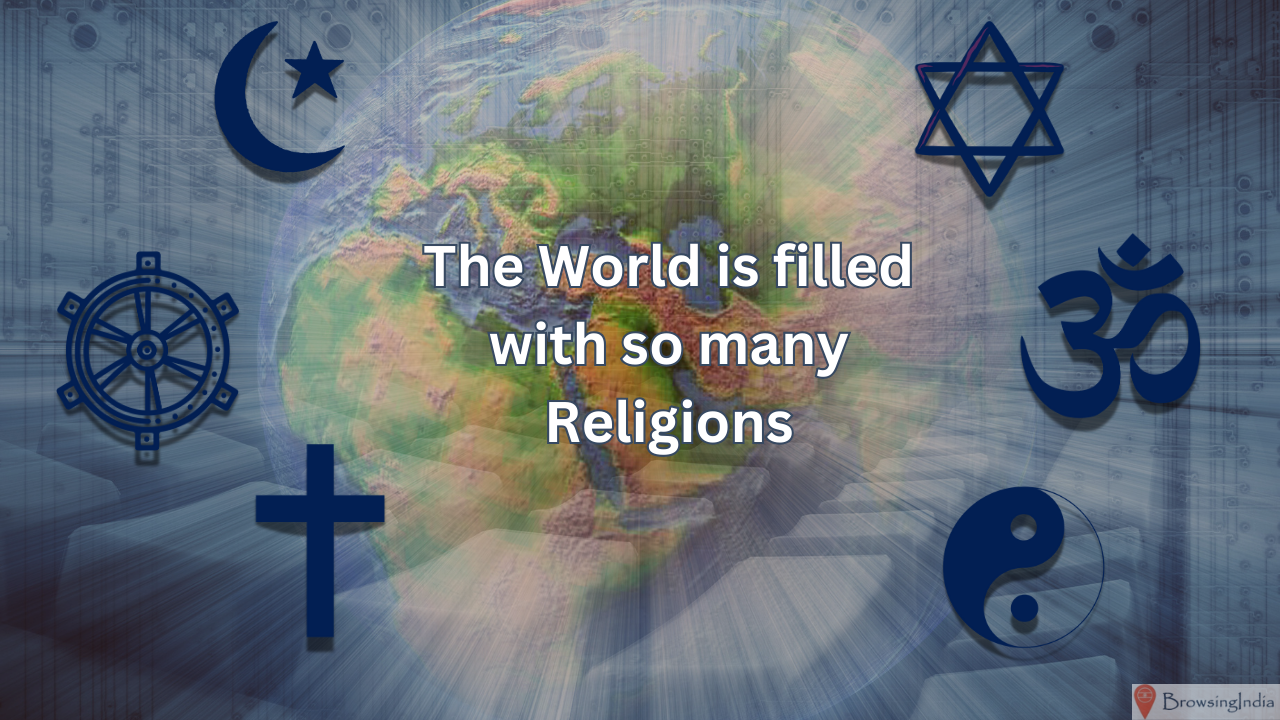
Many Paths To Reach One Ultimate Destination
The world is filled with so many religions, within one religion there are many beliefs. What we follow is something we get from the plains of our own civilization and culture. All these religions take us to the one path, a path to reach a God.
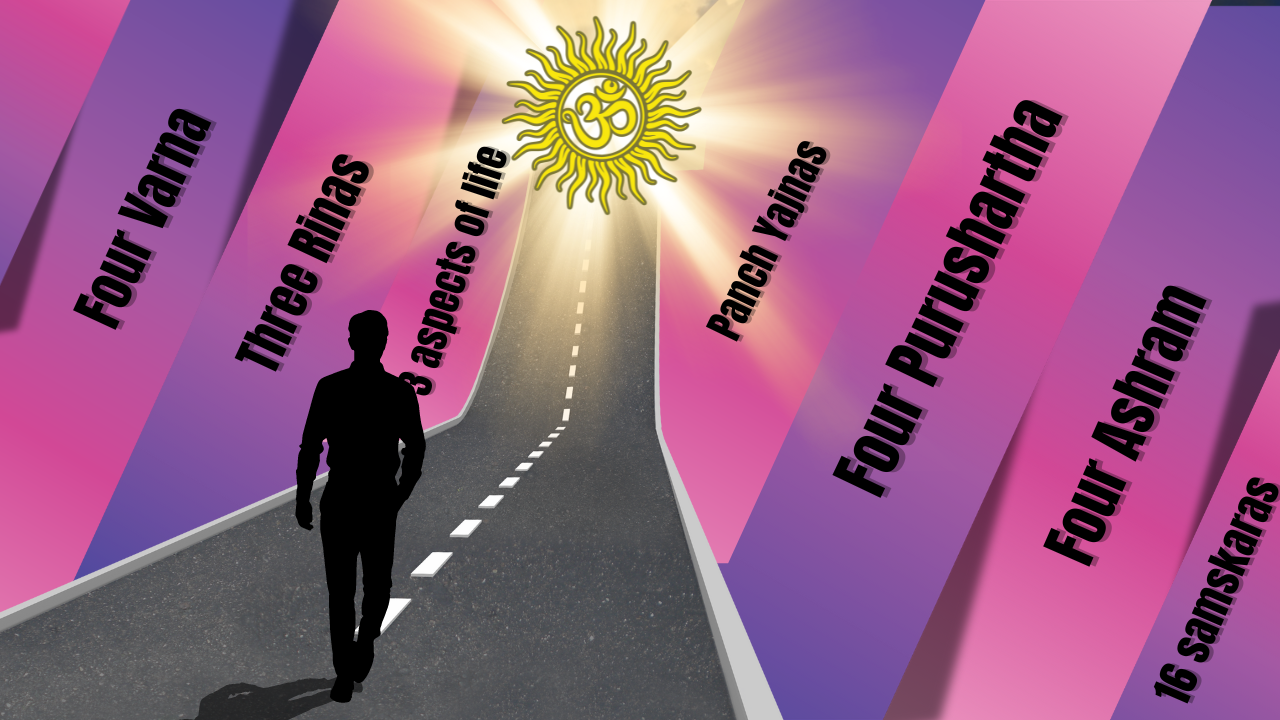
Understanding Hinduism: It teaches how to live a life
Hindu gives complete guidelines to the individual and the society, starting with an overall mission in life, with objectives, strategies to fulfill them, and an action plan to follow. Life becomes purposeful and worth living. all the struggles, ups, and downs can be handled with ease and strength.