
“If you read only a few things here, start with these.”
A curated selection of insights across Indian philosophy, Vedanta, the Bhagavad Gita, karma, and epic narratives.
These pieces are chosen not for volume, but for depth—each one offering a perspective that invites you to question, reflect, and understand life beyond surface-level thinking.
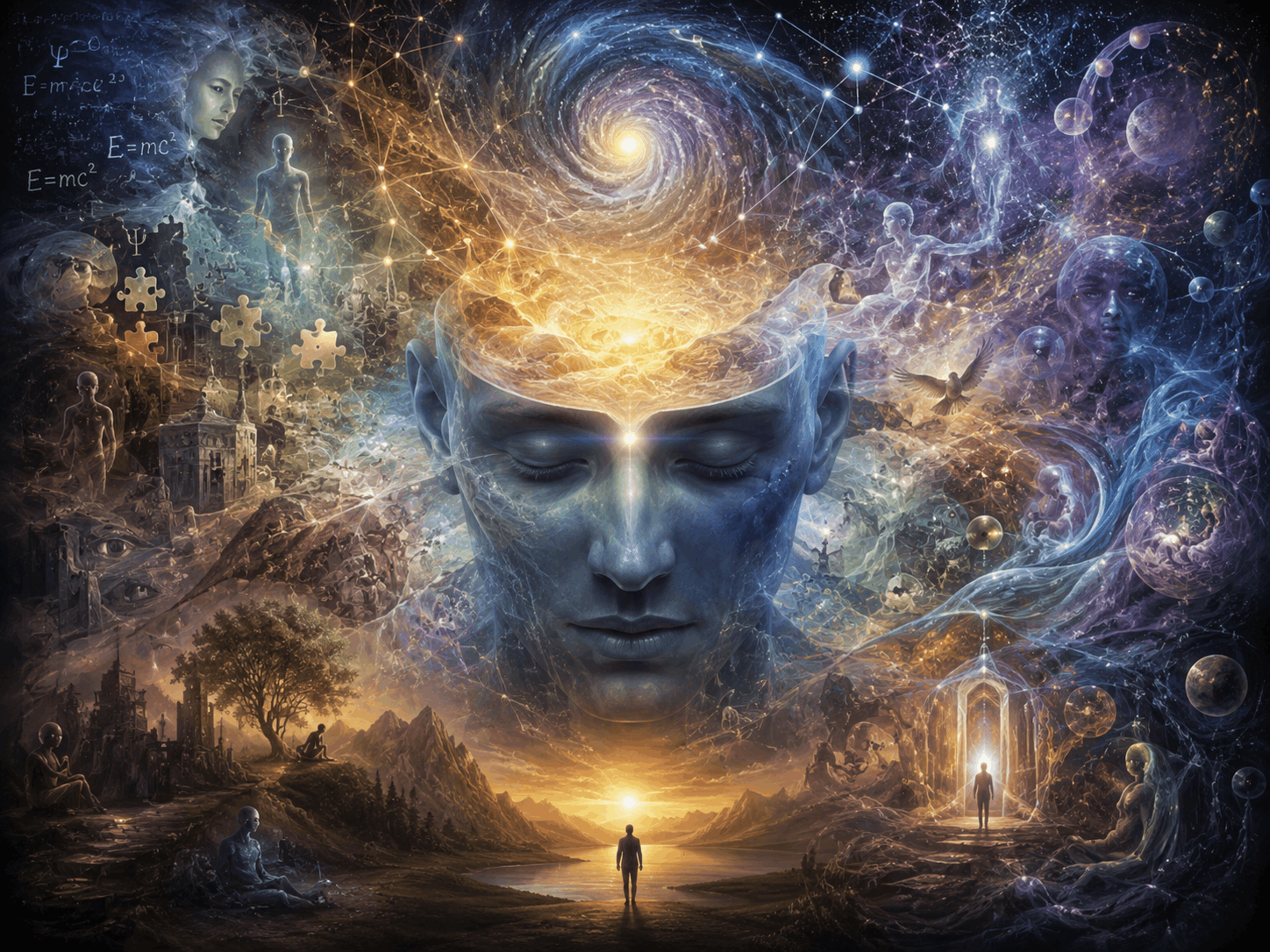
What happens to the Consciousness after Death?
What happens to consciousness after death? Does it return to source — and if so, why does it keep coming back? Four traditions give four extraordinary answers.
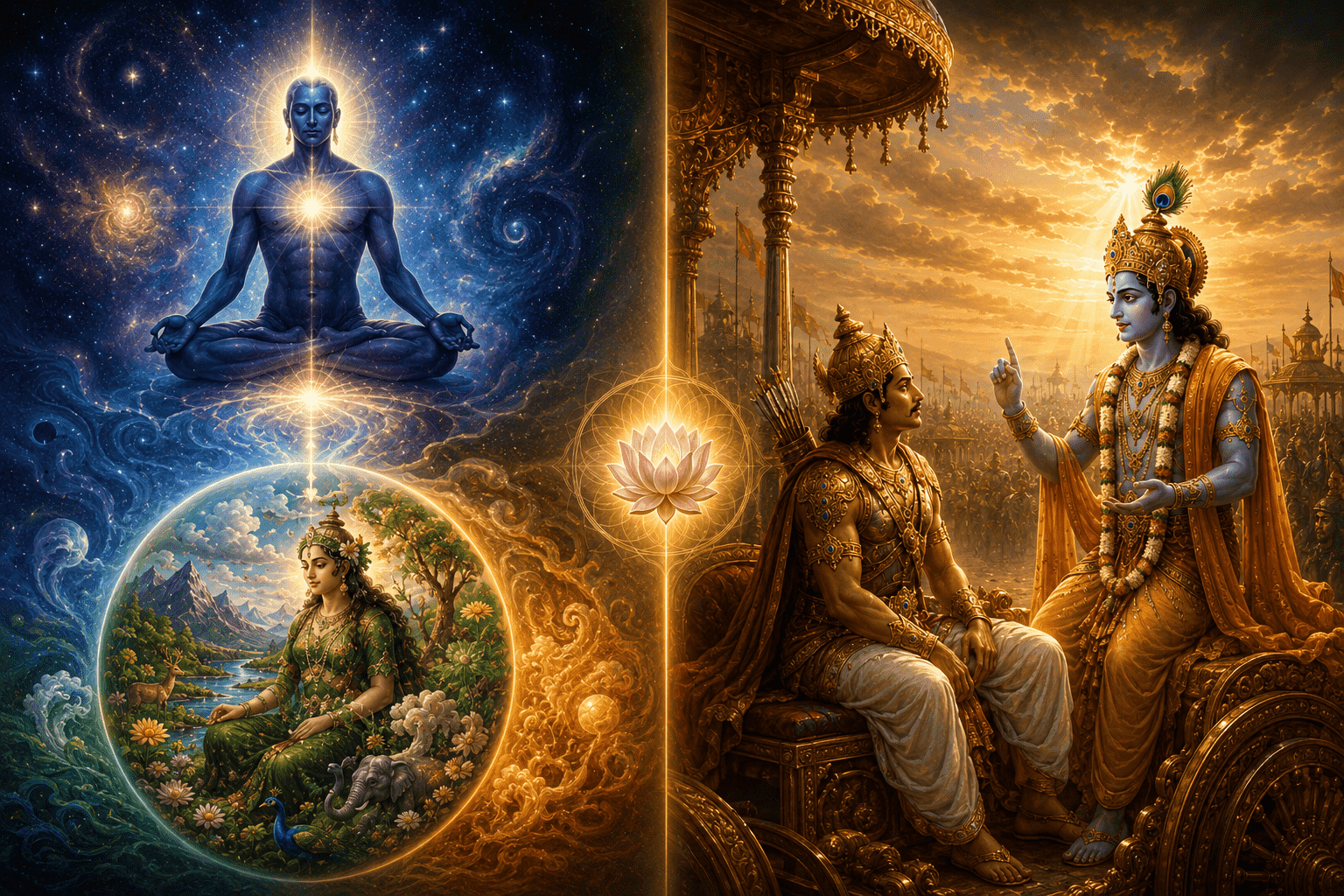
Sankhya Philosophy and Bhagavad Gita — Same Name, Different Truth
Sankhya philosophy and Bhagavad Gita Chapter Two are called by the same name — Sankhya. They share vocabulary, they share foundational ideas, and yet they arrive at completely different conclusions. Understanding the relationship between Sankhya philosophy and the Bhagavad Gita — where they meet and precisely where they part — is one of the most illuminating things you can do as a student of Indian thought.
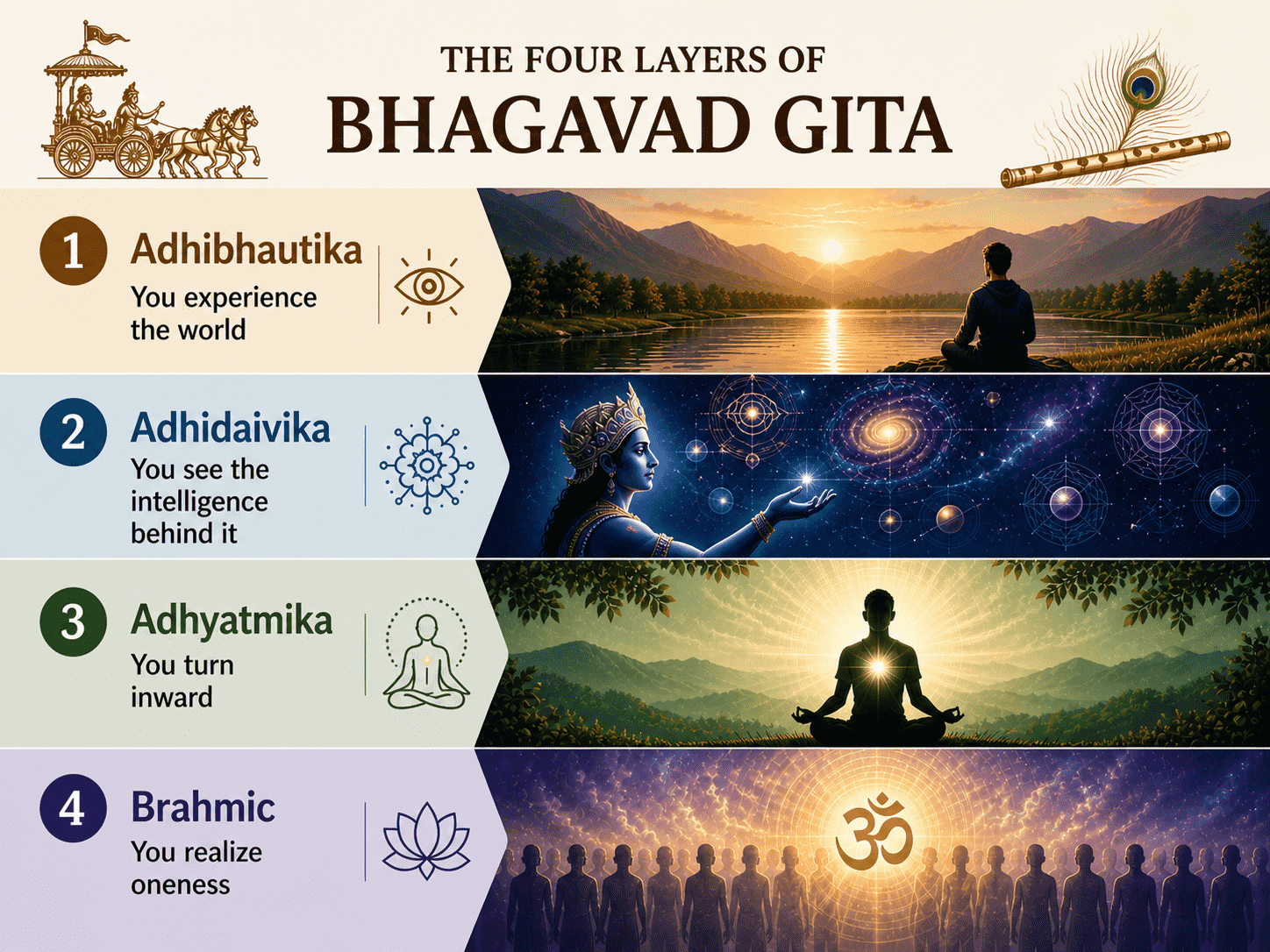
The Four Layers of the Bhagavad Gita
What are the four layers of the Bhagavad Gita? From Arjuna’s battlefield duty to the nature of pure consciousness — a deeper truth waits at every level.
Is Consciousness and Awareness Beyond Time and Space?
You were a child once. Your body was small. Your thoughts were simple. Your world was tiny. Now you are an adult. Everything about you has changed. But here is the strange thing:
The sense of being aware — the basic feeling of “I am here, I exist, I am conscious” — does it feel different now than it did when you were a child?
Beyond Mind and Matter: Exploring Consciousness in Indian Thought
We understand that the hand touches something and the brain processes the information. But how does the experience of “I feel this” actually happen? A very popular example in neuroscience is this: How do you experience the redness of red? Or the taste of mint?
Liberation is the end or Fresh start?
Liberation is known as the freedom, Moksha and with many names in different philosophies. But the goal is one freedom from what we are now, freedom from pain, sufferings. This is the goal that we all are working for knowingly or unknowingly. What we do everyday the goal is happiness and what we do in our whole life, the goal is the same happiness.
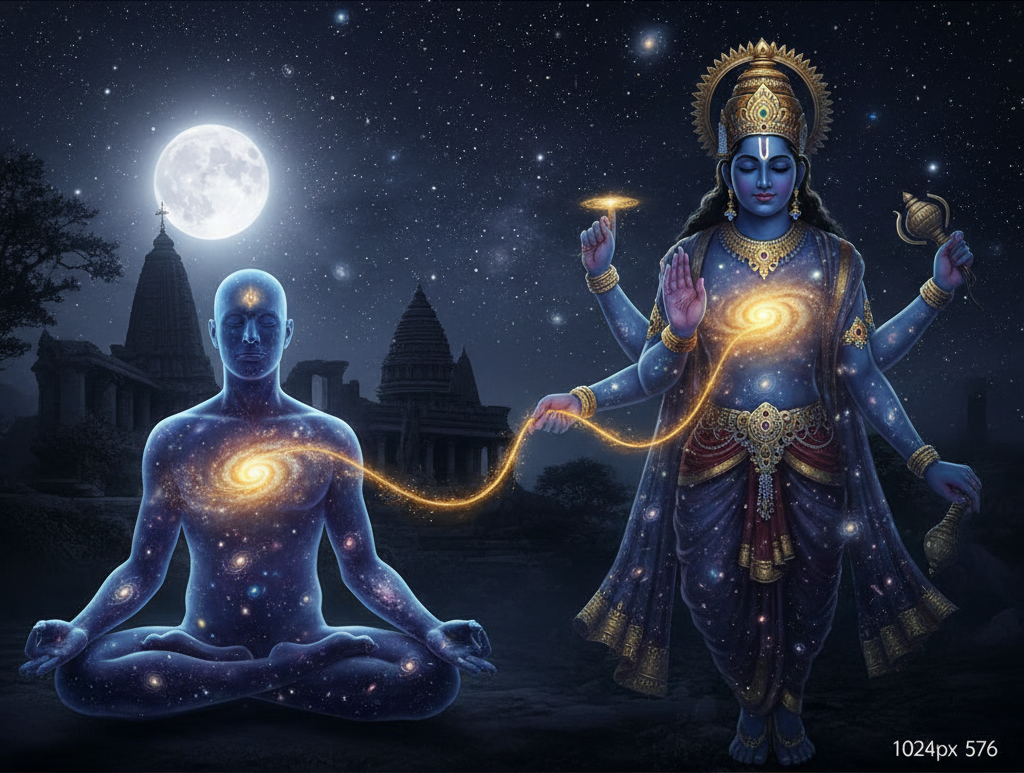
Understanding the Hidden Cosmic Code of Atman and Paramatman
The conscious being inside us exploring this world and feeling every moment, the Indian Philosophy named it Atman. This Atman is trapped inside the body/mind construct hence bound by the power of the body, but when this Atman break this limitation, it can have access to all knowledge and power, this is called Paramatma in Indian Philosophy.
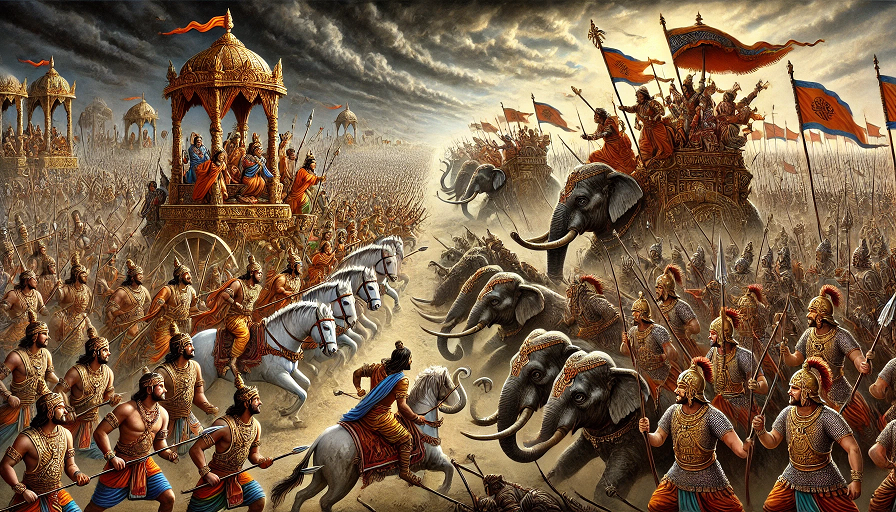
The Battle Begins: The First Day of the Mahabharat War
The Mahabharat war started on the Margashirsha Shukla Ekadashi. With the first ray of the Sun, the Kaurava and Pandava armies were ready to write history. Duryodhana, the leader of the Kauravas army made Bhishma Pitamah the commander-in-chief Whereas Yudhishtir made Dritdhyumna-brother of Draupadi the commander-in-chief.
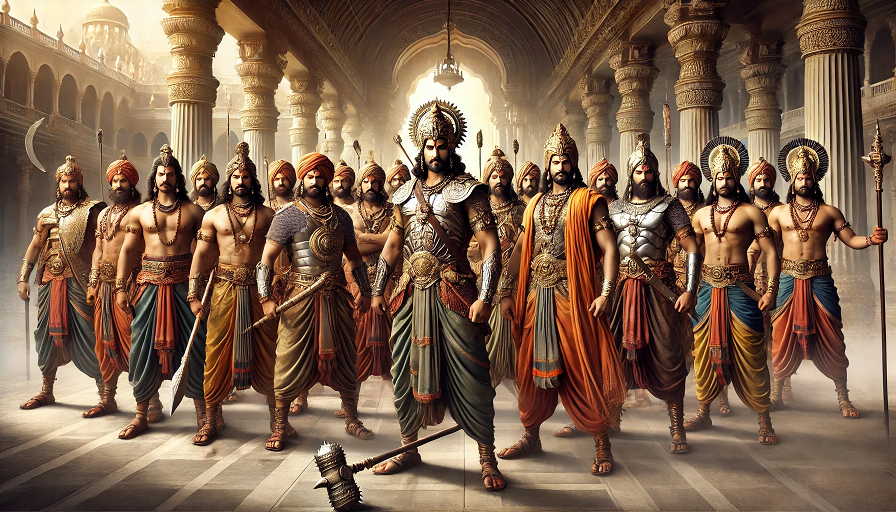
Were The Kauravas Really 100? Or 102? Here Is The Answer You Didn’t Know
Gandhari was the Princess of Gandhara and the daughter of King Subala. Before her marriage, she performed severe penance to please Lord Shiva. Pleased with her devotion, Lord Shiva granted her a boon to have 100 children. She was later married to Dhritarashtra, the King of Hastinapur.
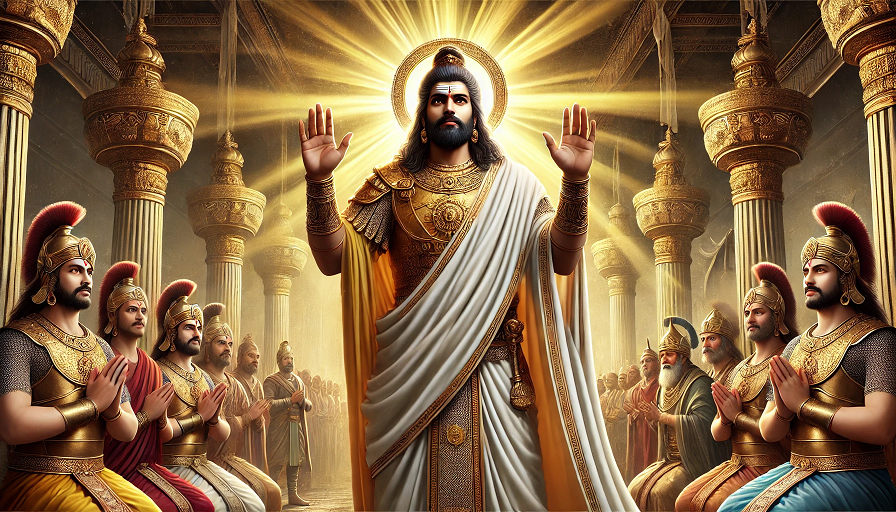
Bhishma – The Great Hero Bound By Terrible Vows
Bhishma Pitamah was the great Grand Uncle of Kauravas and Pandavas. He was the unparalleled archer and warrior of his time. He even defeated his Guru Parashurama. After the Kurukshetra war, he gave all his teaching to Yudhisthir and also perched him the famous Vishnu Sahasranama.