
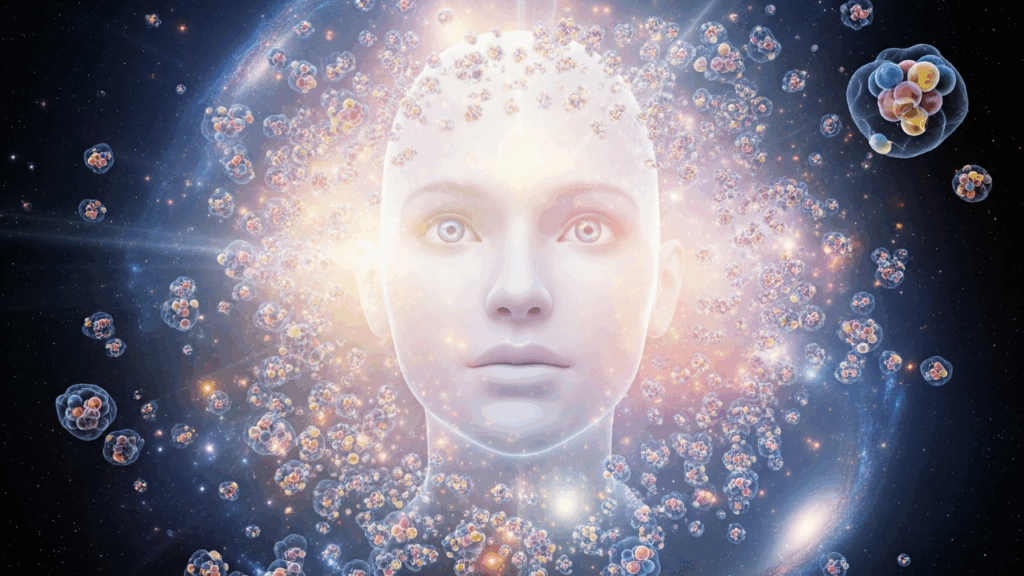
In very simple terms, consciousness is the feeling of something. It is the feeling of a smell, the taste of food, being happy or sad, feeling pain, feeling achievement, or feeling failure. It is the feeling of “Yes! I did it!” or “Why did this happen only to me?” The list goes on and on.
These are our everyday experiences. They are very common and natural to us. We usually do not think of them as special, and we rarely pay attention to how these feelings actually happen.
Whenever you are feeling something, try to step back and ask: How am I able to feel this?
We understand that the hand touches something and the brain processes the information. But how does the experience of “I feel this” actually happen? A very popular example in neuroscience is this: How do you experience the redness of red? Or the taste of mint?
Let’s see the different perspectives to understand how this feeling happens…
How Does Science Define Consciousness?
For science consciousness is the natural phenomenon, which can be studied through biology, neuroscience and cognitive science.
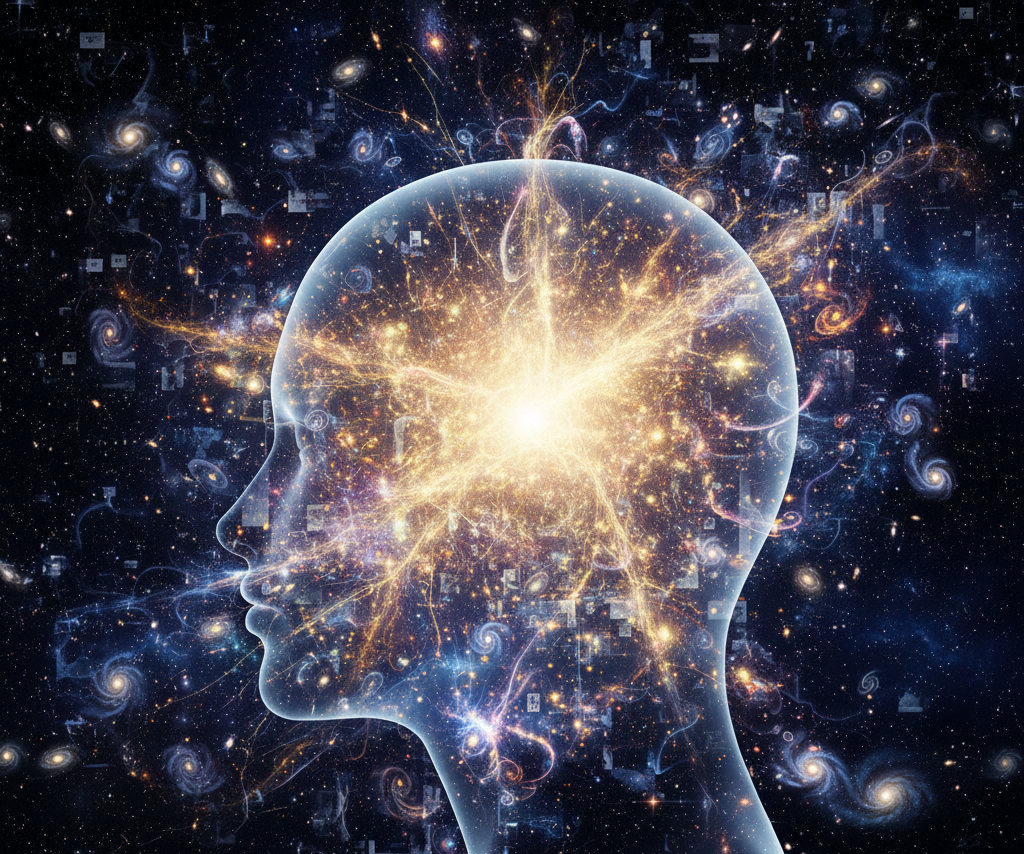
But the interesting thing is that science has no universally accepted definition of consciousness.
- In the philosophy of Mind most accepted definition is from Thomas Nagel : “Consciousness is “what it is like” to be something.” Science agrees that experiences exist, but struggles to explain how physical processes produce them.
- Neuroscience define the consciousness as the product of complex neural activity.
- Cognitive science defines Consciousness as the information that is globally available to the brain for reasoning and decision-making.
- Another view suggest that Consciousness is the Integrated information. In simple terms: Consciousness happens when different pieces of information (sight, sound, thoughts, feelings) are connected and working together as one whole, instead of being separate.
- Above all the philosopher David Chalmer says that science can explain the brain activity but they are not able to explain how does this brain activity produce subjective experience at all? He called this as the Hard problem of consciousness.
So, Where science stands today,
Science can explain the brain activity associated with experiences, but it cannot yet explain how this brain activity turns into conscious experience.
Consciousness in Indian Philosophy
Indian philosophy does not represent one single viewpoint. It consists of many schools of thought that emerged in ancient India. Let us explore how different schools define consciousness.
Nyaya and Vaisheshika
Nyaya founded by Gautam focused on the logic and epistemology and Vaisheshika was founded by Kanada focused on the atomism.
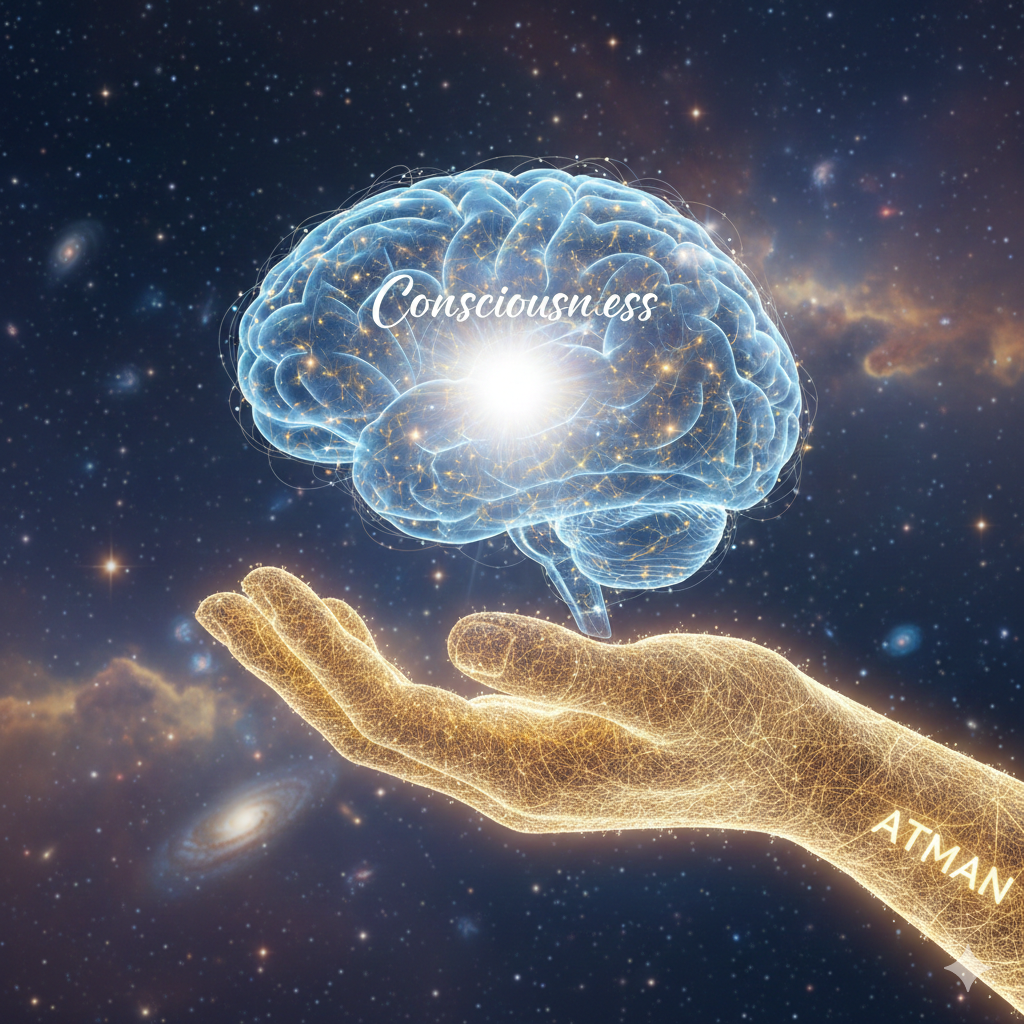
Both schools define the Self or Atman as the fundamental and eternal. Consciousness arises when self-associates with the mind (Manas), the mind connects with the senses, and the senses connect with external objects. So,
Consciousness is the quality of Atman(Self).
In the state of Moksha or deep sleep, soul is completely unconscious like a stone as there are no objects to experience.
Samkhya and Yoga
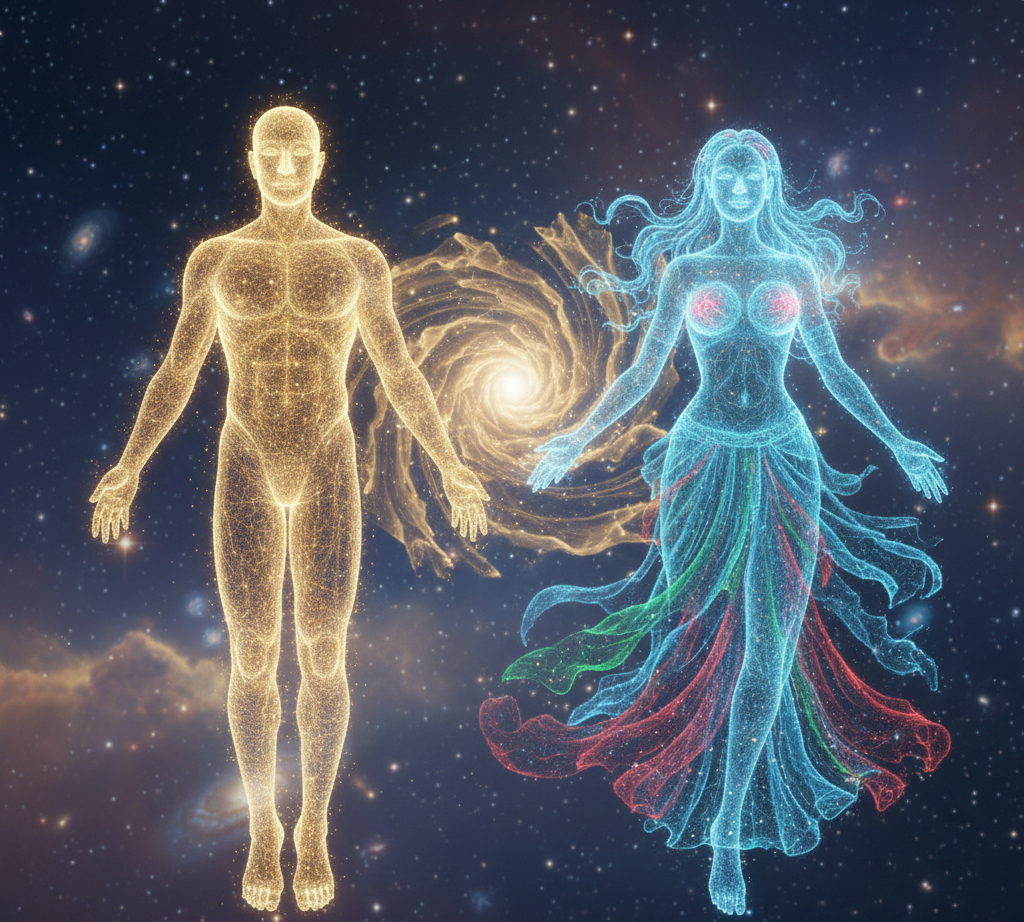
Samkhya and Yoga are the dualistic school of Indian Philosophy. According them there are two fundamental things Purusha ( the pure consciousness ) and Prakriti (matter/nature). Mind, body, ego and intellect all are the part of prakriti. Purusha(pure Consciousness) is eternal and does not act, think, or change. We experience life because Purusha is reflected in the mind. For Samkhya and Yoga
Consciousness is the Fundamental and it is a silent, separate witness not the mind itself. Mind is actually “blind” matter. It only appears conscious because the light of Purusha reflects onto it, just like a mirror reflects the sun.
Mimamsa
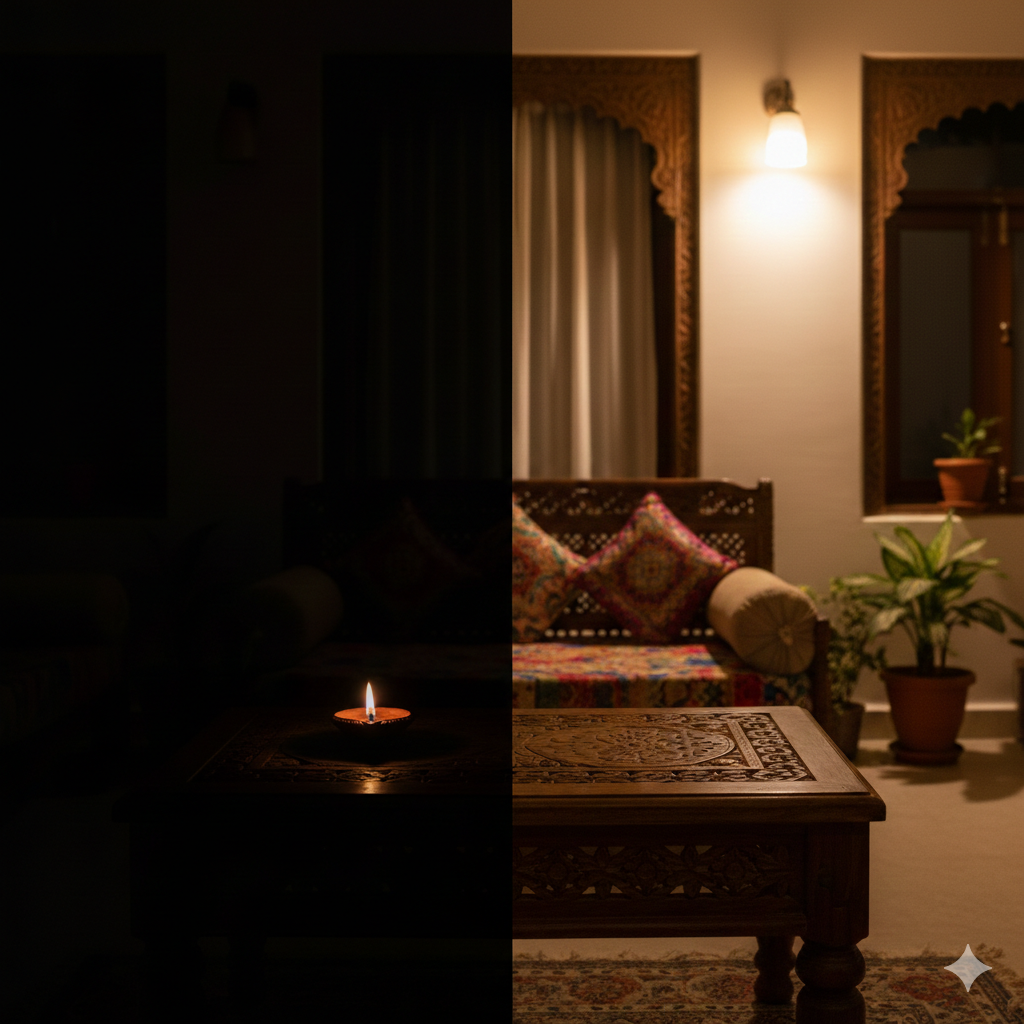
Mimamsa is primarily based on the Vedic rituals and concerned with Dharma and action. Within it there are two different views about consciousness.
Prabhakara says “ When you know something, awareness is automatically known. Just like, when lamp lights the room, it also lights itself. It doesn’t need another light to see the lamp. Awareness reveals itself automatically.
Kumarila Bhatta, another thinker of the mimansa school says ” When you know something, you only know the object — awareness is concluded later.” Just like you don’t see electricity but you can infer it because the bulb is glowing. Like that consciousness is the inferred mental act.
Vedanta
Vedanta define the consciousness at the highest peak and this view sovles all the questions and doubts around consciousness. According to Vedanta, consciousness is not a property of the soul, not a different thing from the world, but it is the only reality that truly exists. Everything else is the illusion or Maya.
Consciousness is the absolute foundation of reality.
Buddhism
Buddhism rejects the idea of permanent self – Atman. Therefore, consciousness is not a “thing” or “property” or “container” but a process. It is one of the five components that make up a person and cannot exist without other four form, feeling, perception and mental formation.
In Yogacara Buddhism, this is a “deep” layer of consciousness that stores the seeds of past karma. It explains how continuity exists between lives without a permanent soul.
Jainism
Jainism has very different view for consciousness, they believes consciousness exists in everything—from a blade of grass to a human—but it is “clouded” by material Karma particles. As you shed karma, your consciousness expands until it becomes Kevala Jnana (Omniscience). Consciousness is intrinsic to each jīva.
Concluding
Indian Philosophy define the Consciousness as the
- Quality of Atman/Self
- Pure observer distinct from matter
- Ultimate reality
- Process ( momentary reality)
- Inseparable nature of the individual soul
In the End..
Modern neuroscience asks : ” Is consciousness produced by brain?
Indian Philosophers asks this question 3000 years ago, and gave answer with all different perspective. From logical to dualism of Samkhya to non-dualism of Vedanta , as a process in Buddhism and the no different from self from Jain. They explored and understood consciousness with such depth that current science have yet to reach there.

Hina is the founder of BrowsingIndia, a platform dedicated to making Indian philosophy, epics, and consciousness-related ideas accessible to curious readers. A computer engineer by profession, her lifelong passion for Indian scriptures led her to pursue a Master’s in Hindu Studies, and she is currently a PhD research student in the same field. Her writing is grounded in close reading of primary texts and respected scholarly sources.